October 8th
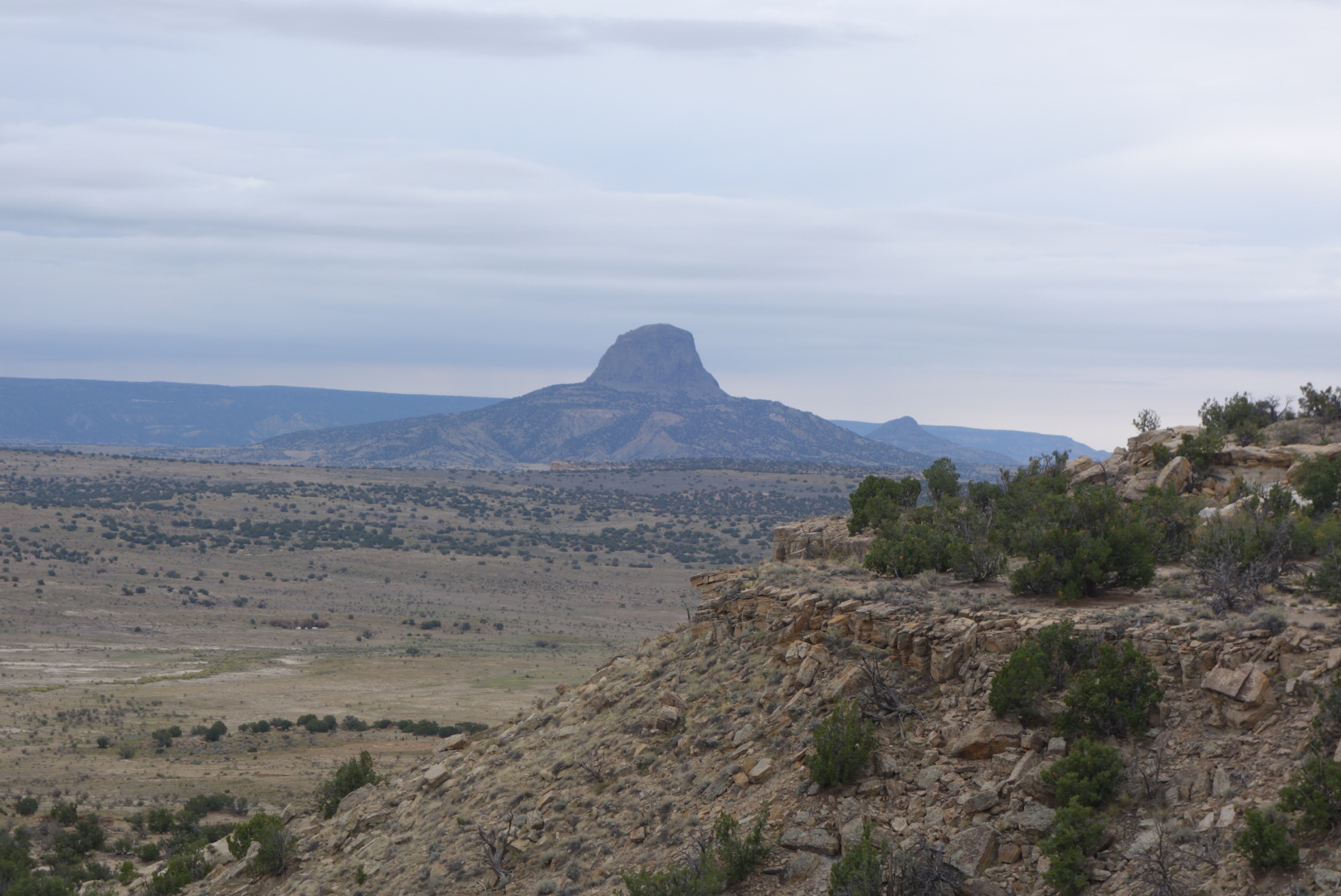
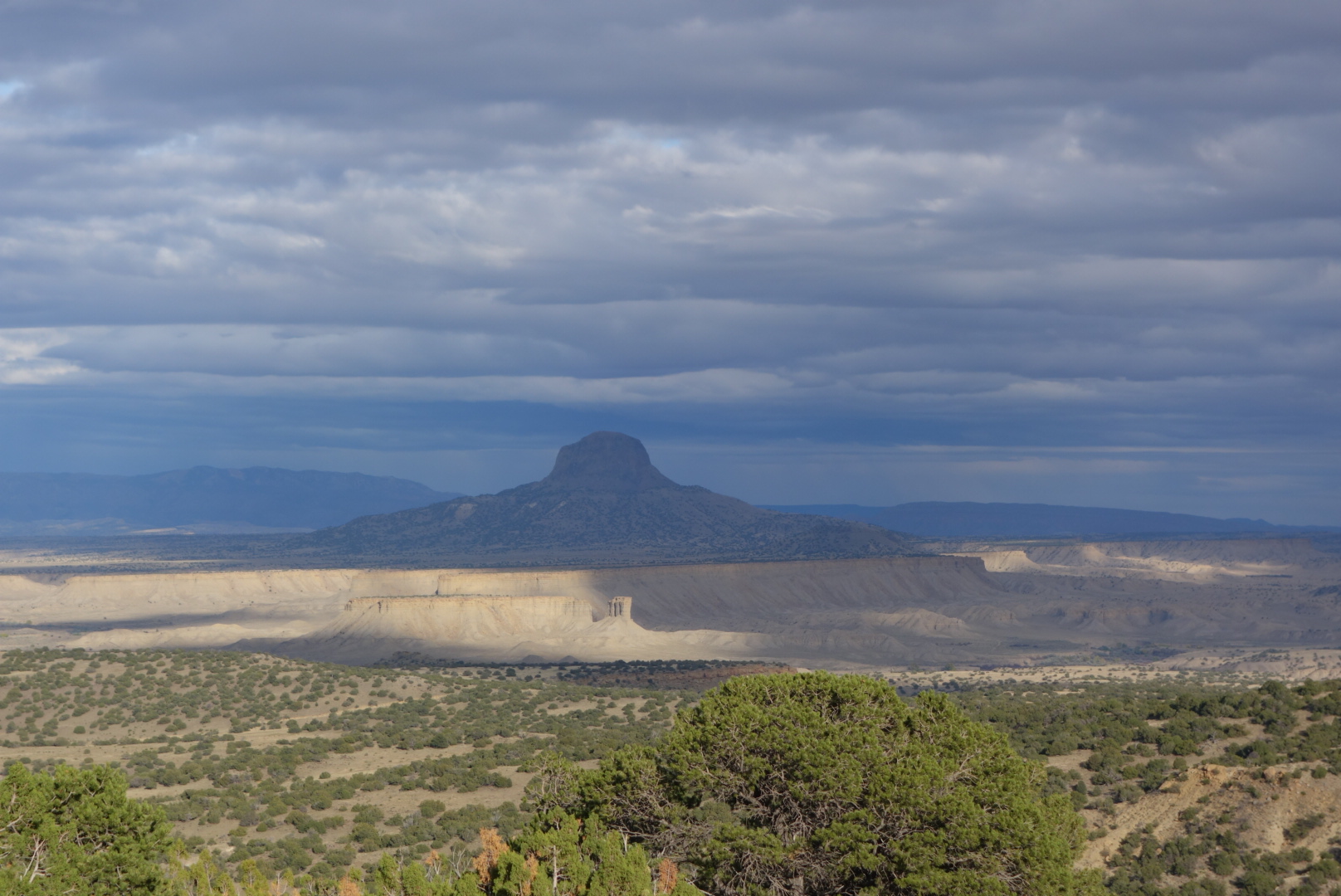
The desert trail was marked so well with cairns that the pre-dawn walking was easy. The first part of the morning I walked around a few big hills called Cerros. And, reminiscent of Montana and Wyoming, I walked around Deadman Peaks.
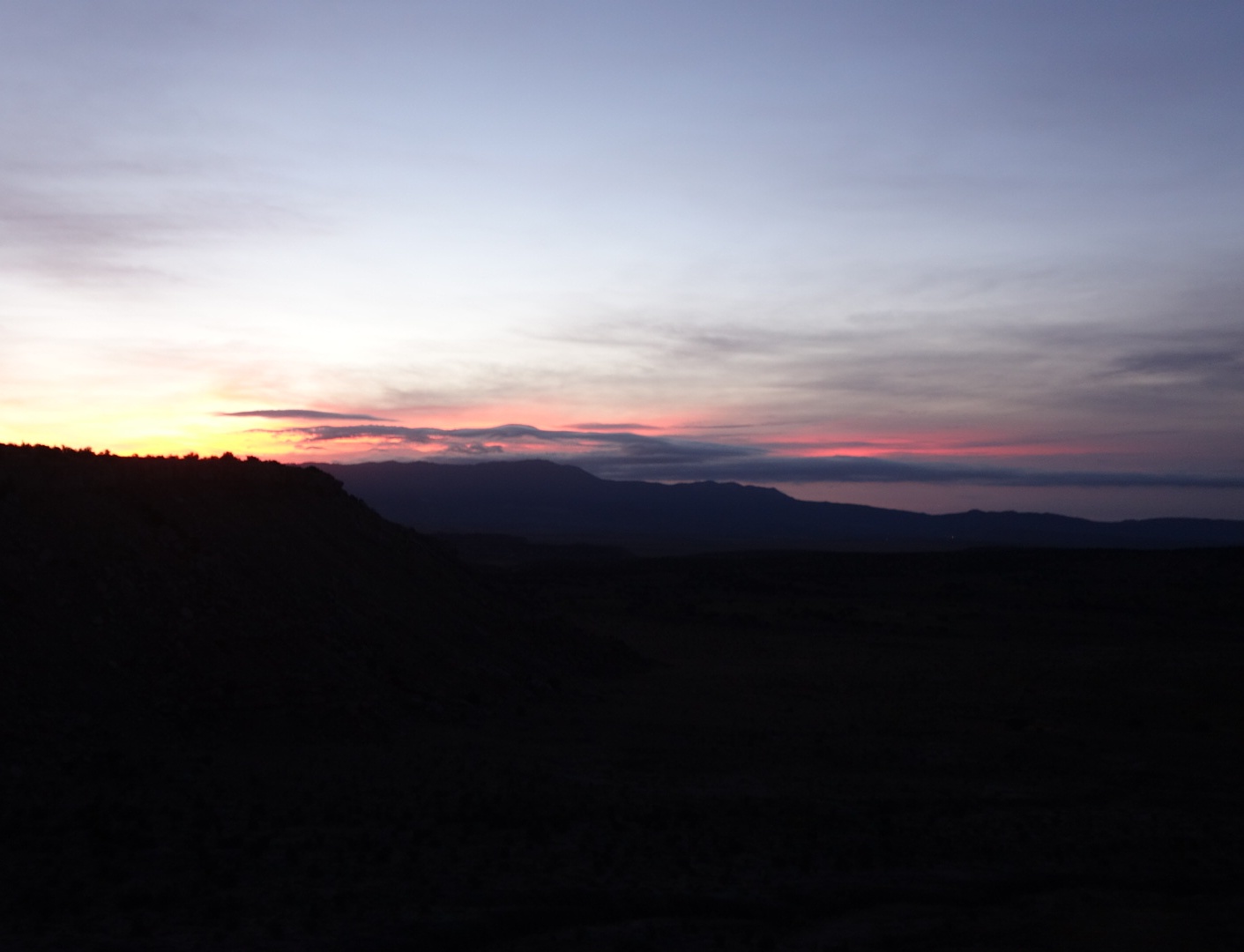
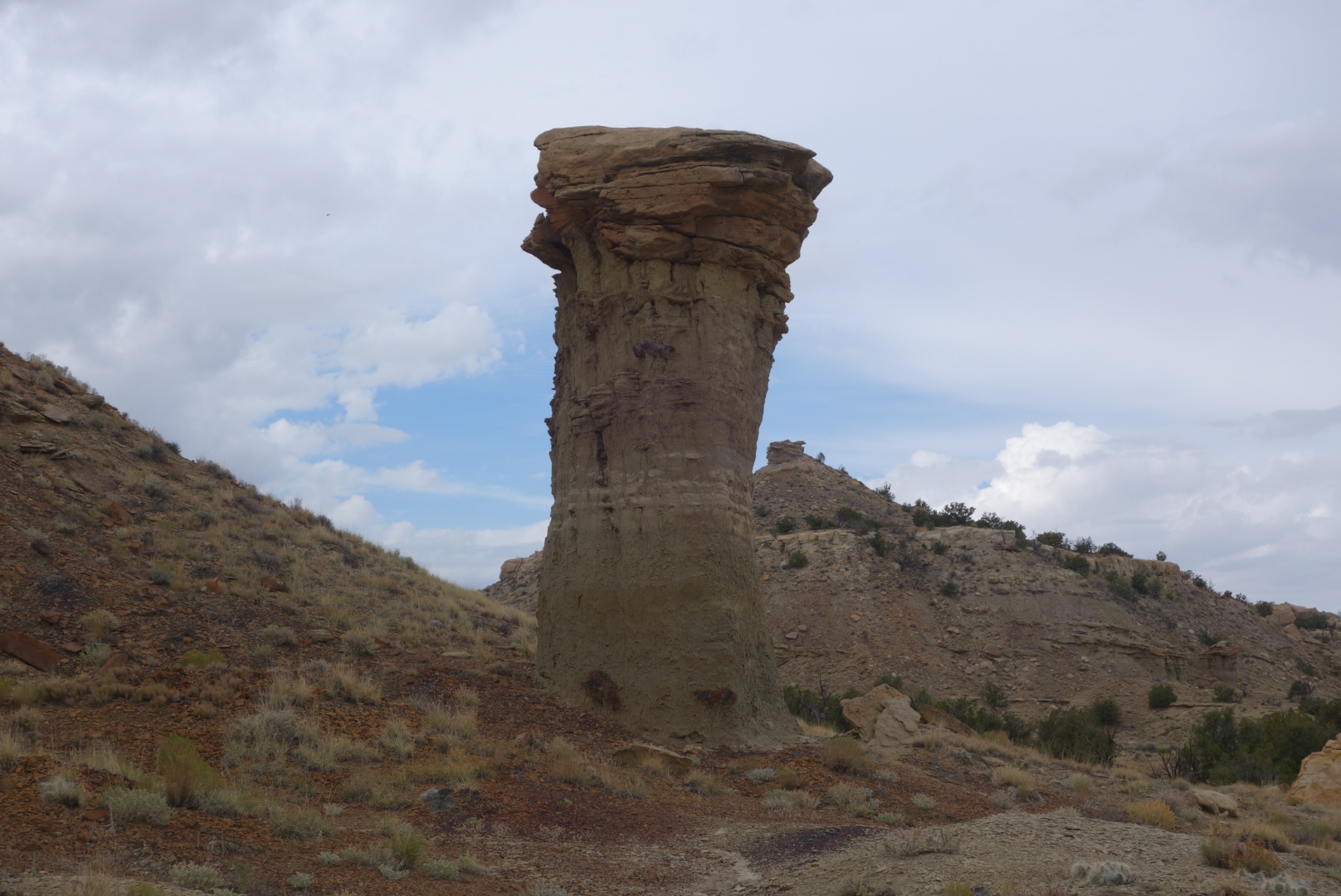
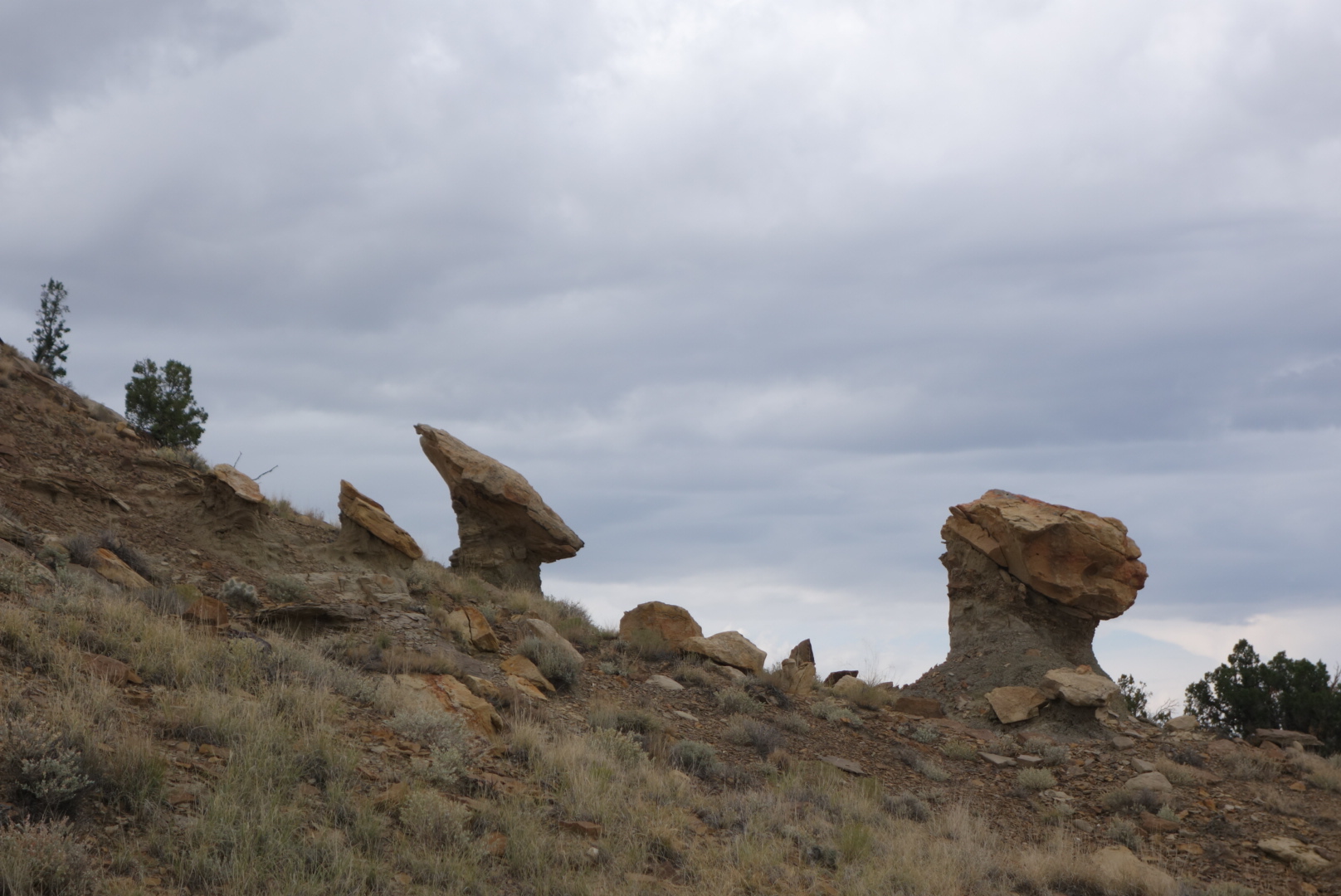
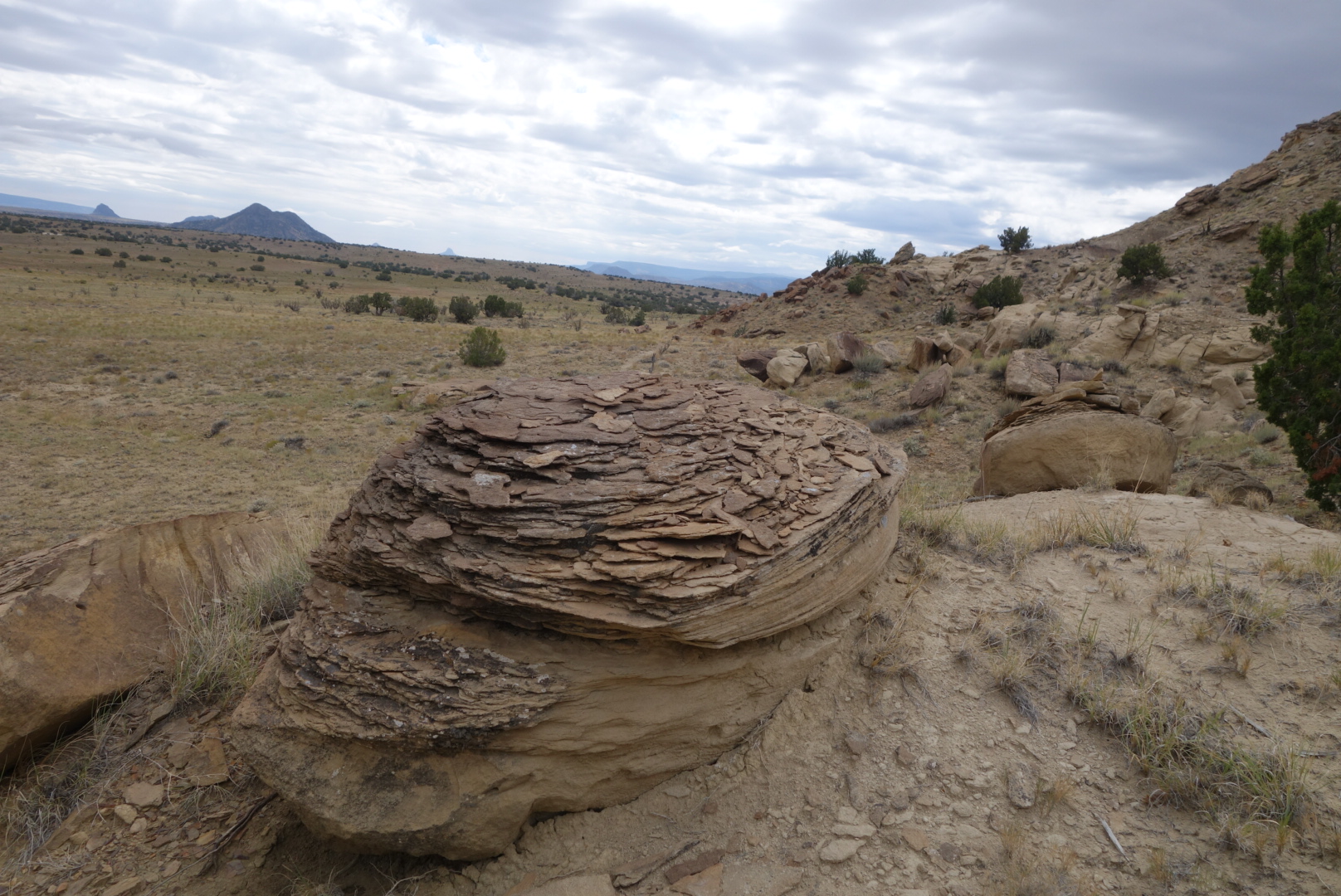
The rocks are so interesting to me. Several times I have come close to falling because I am looking at rocks. It is also a little bit like aspens further north; I stop and take photos almost too often.

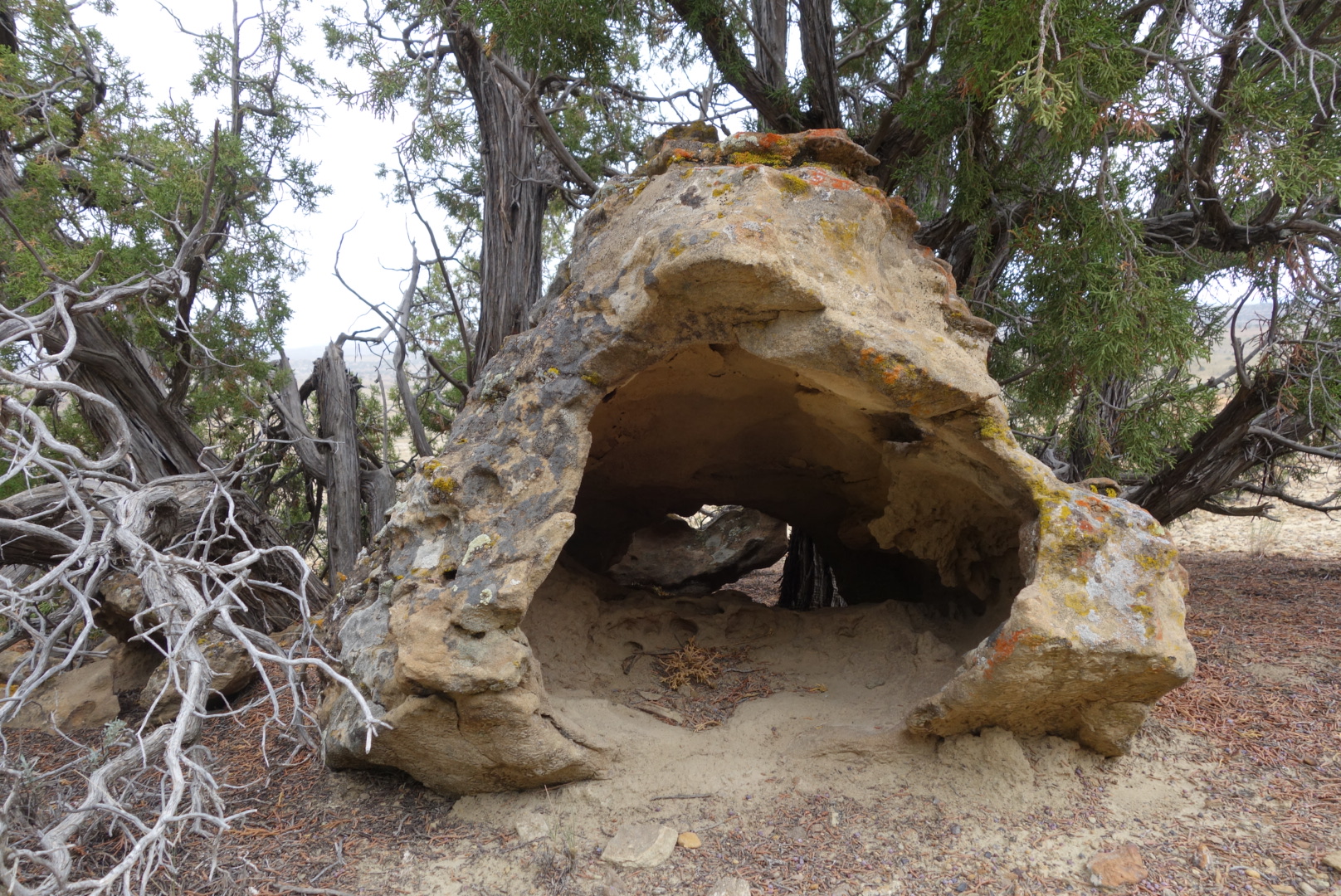
I came down off the mesa and walked in some open terrain. There were a few abandoned windmills as well as some active “tanks.” Down here a tank is usually where soil has been used to seal off a canyon to retain water for livestock. The water is invariably nasty.
There was a spigot that provided some well water. It took me a little time to figure it out, but I tanked up 2 liters with fresh groundwater. Soon thereafter, a cache of water was supplied by the Trujillo family. They had left some apples, too. I took an apple and drank a half liter. It was overcast, so I was not losing too much fluid.
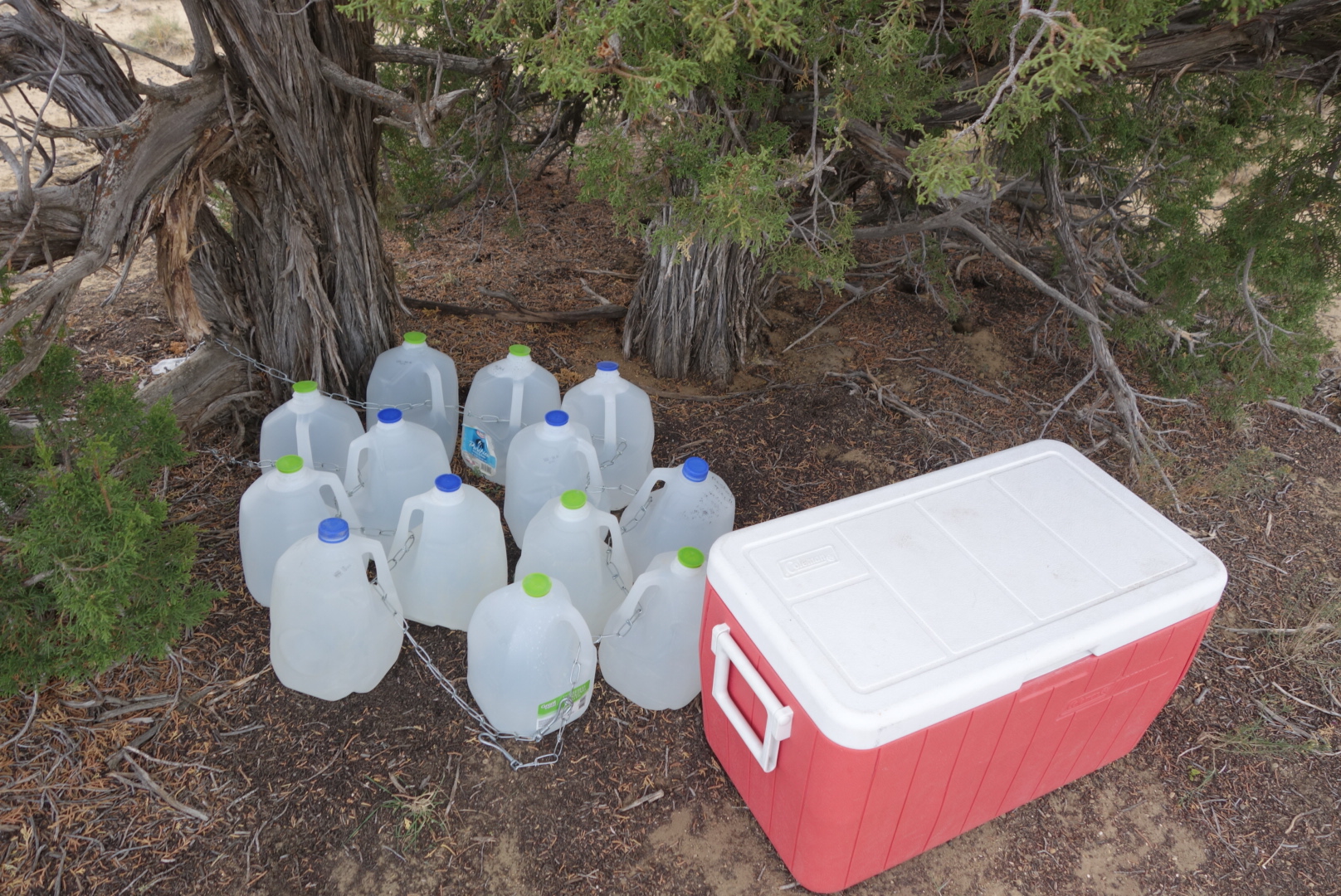
There was still more open country hiking in store. It was nice weather. If the temperature was in the 90s, this would be a tougher section to hike. I came to my last water cache and drank a liter and left with 2 liters. There was a spring (Ojo Frio) coming up, but why walk away from a certain source for an iffy one?
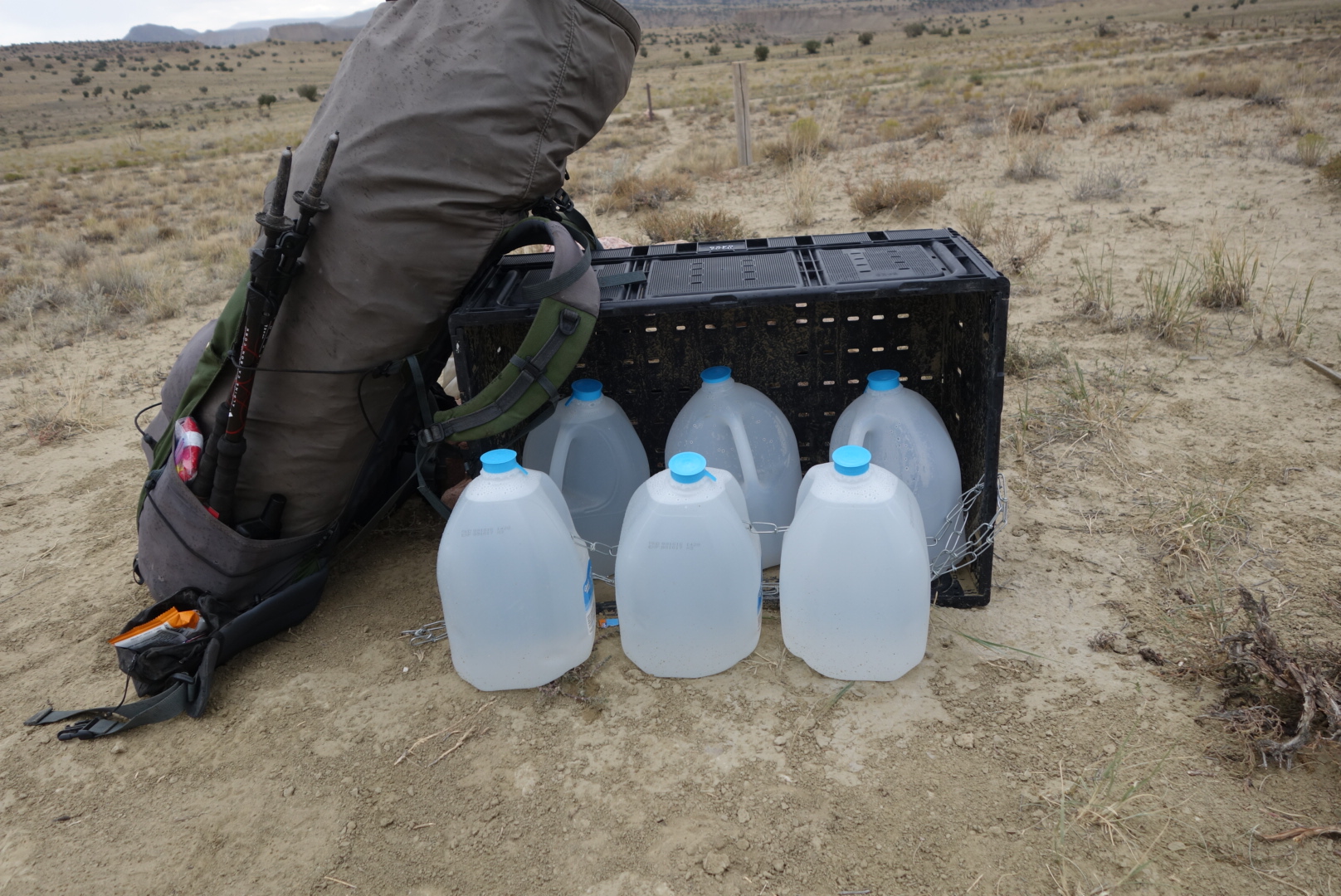
If you are philosophical, you might consider water caches left by trail angels. On the one hand, the provide potable water in an arid area where heat and dehydration related illnesses are a legitimate threat. On the other hand, they also present a bit of a moral hazard. Hikers unsuited for desert trail might assume the cached supplies will be there and charge forward. But if the source is not there, that hiker can be in dire straits. I think sobo CDT hikers who went through the Basin are probably adept at arid travel by this point.
I crossed an almost-dry Chico Arroyo. An Arroyo is a canyon formed by flood water. Down here, water does not get absorbed easily so it tends to run off and the run off ends up in an arroyo. This one had a few trickles and puddles left. More importantly, the flat bottom was dry. The combination of desert sand and soil can make these river beds into wet cement or quick sand. I could see a cow had recently crossed with some difficulty. I guessed that my lower weight and flatter foot would work to my advantage and it did. I crossed without getting stuck.
I climbed a large mesa, about twice the height of what I had been going over the last two days, I got about halfway up and saw a relatively flat spot at 6:00 pm. Rather than push for the top, I camped. To me, there were still enough mare’s tails in the sky to suggest setting the tent up. One other twist about desert backpacking is that sweeping the tensite for prickly items is extremely important. I found the site was level but lumpy, so it was not perfect.
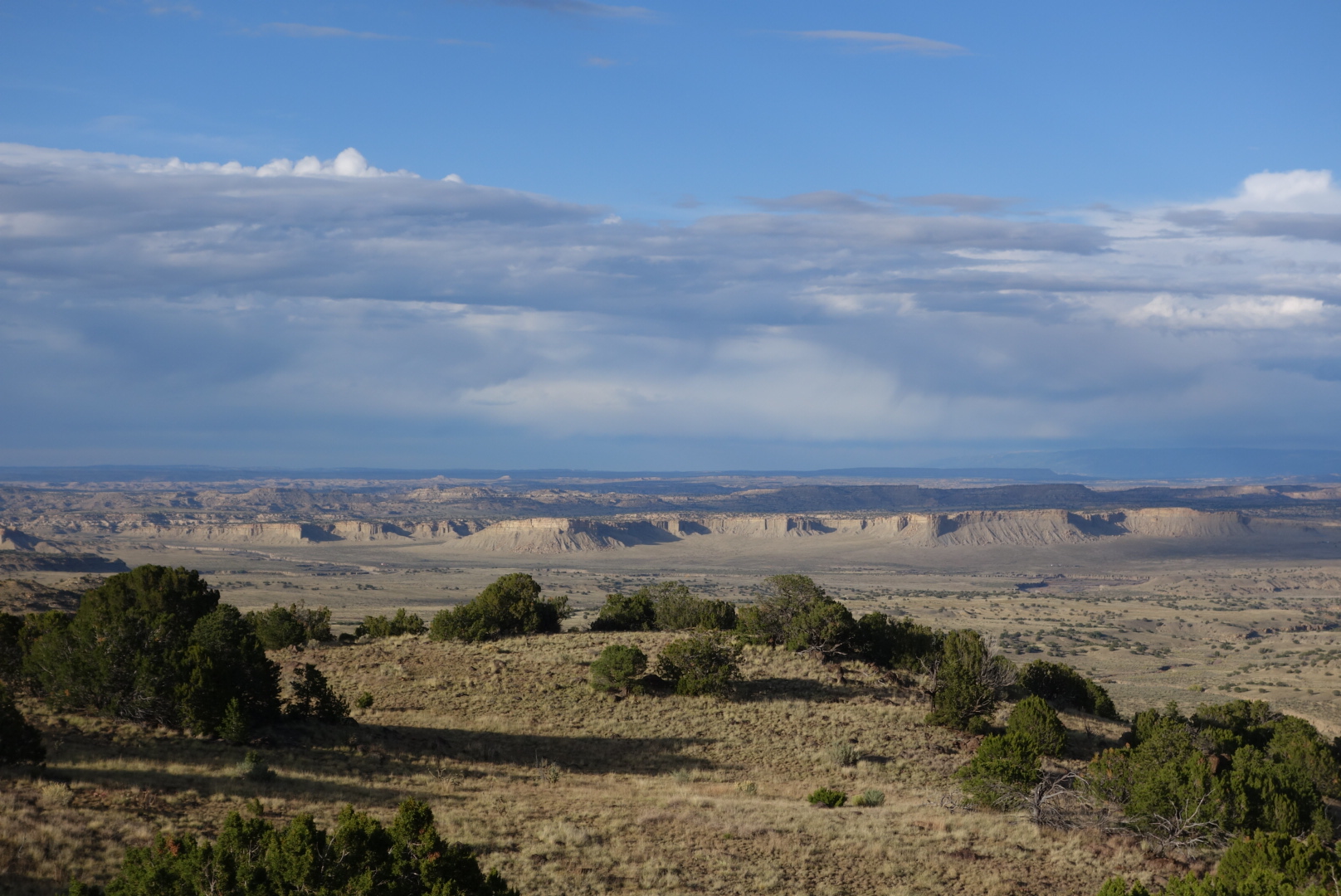
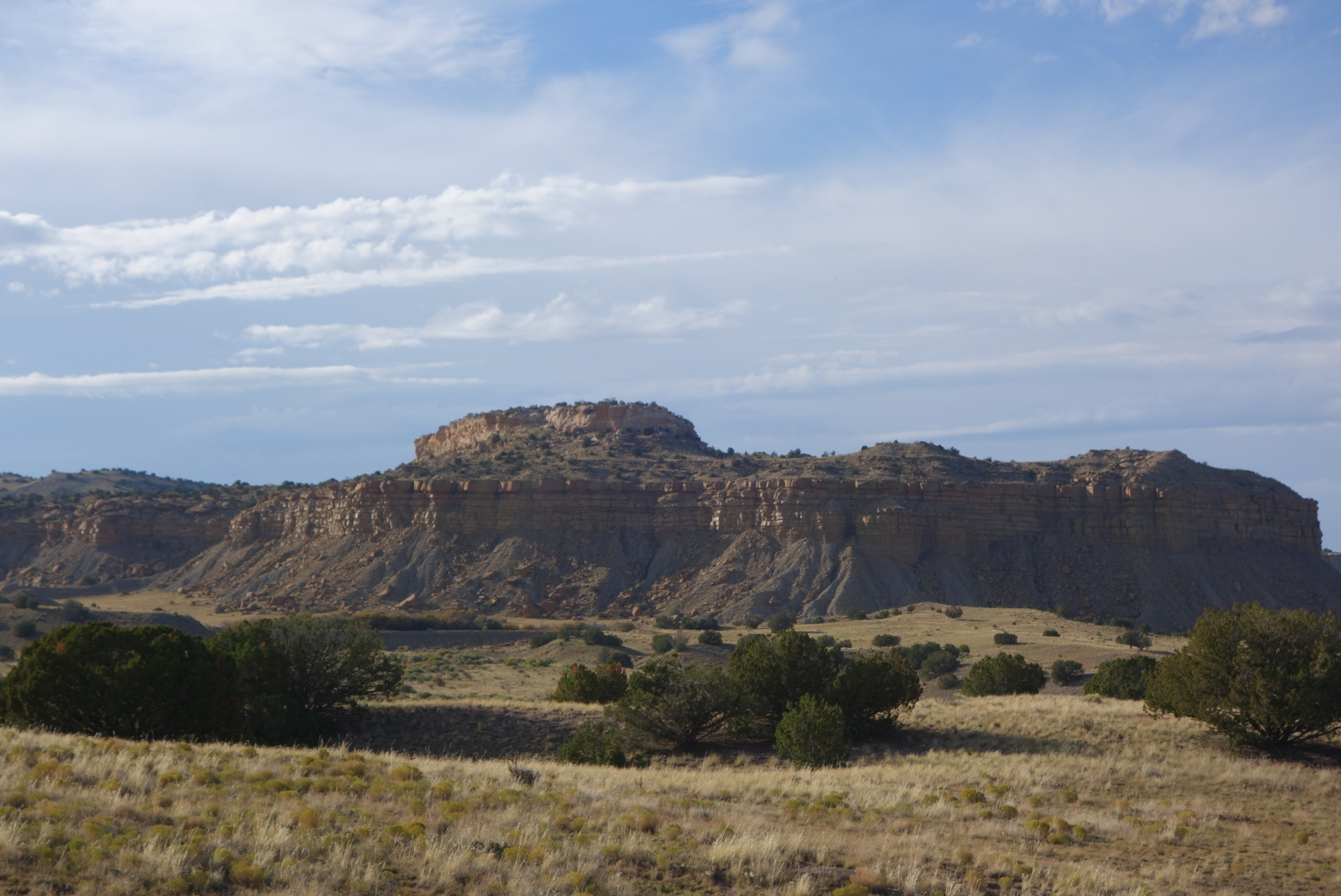
Later that night, rain and wind swept in. My guess was rain between 9:00 and midnight. That’s a pretty substantive rain for this part of the country. Between the lumps and wind, I had a spotty night’s sleep.
 backpacking over the hill